Why Togo as your investment destination?
A strategic port and logistics center along West Africa’s Gulf of Guinea. Efforts are underway to strengthen the regulatory framework and attract investors through enhanced incentives. The region benefits from strong integration within ECOWAS, providing access to regional markets. Key advantages include an expanding consumer base, a youthful workforce, and affordable labor costs.
Why LeTogo
Nordic-focused support: Legal, tax, and cultural guidance tailored for Sweden, Norway, Denmark, Finland, and Iceland.
Local partnership network: On-the-ground advisors, developers, government contacts, and due diligence partners.
End-to-end facilitation: Deal sourcing, vetting, transaction support, compliance, and post-investment management.
How it works?
Share your criteria, such as capital size, sector, return profile, and risk tolerance.
Receive a tailored investment brief that includes matched opportunities and risk assessments.
Perform due diligence through local site visits, legal reviews, and financial modeling with our partners.
Finalize deals and oversee management, providing support for transaction security and optional local asset management.
Key Sectors to Invest
- Renewable energy
- Agribusiness & agro-processing
- Infrastructure & logistics
- Real estate & tourism
- Manufacturing & light industry
- Digital services & fintech
SECTORS
Renewable Energy
Togo offers high solar and wind potential, along with growing demand for stable grid and mini-grid solutions. Investment opportunities include utility-scale solar projects, hybrid solar-diesel plants, mini-grids for rural electrification, and solar irrigation systems for agribusiness. Project sizes range from small investments of 0.5–2 million EUR to large-scale projects of up to 50 million EUR.
Agribusiness & Agro-processing
Togo has abundant arable land, a favorable climate, and strong export potential for cocoa, cashew, and fruits. Investment opportunities include outgrower schemes, processing facilities for products like snack cashews and dried fruits, and cold chain logistics. These projects create jobs, boost rural incomes, and increase export revenue.
Infrastructure & Logistics
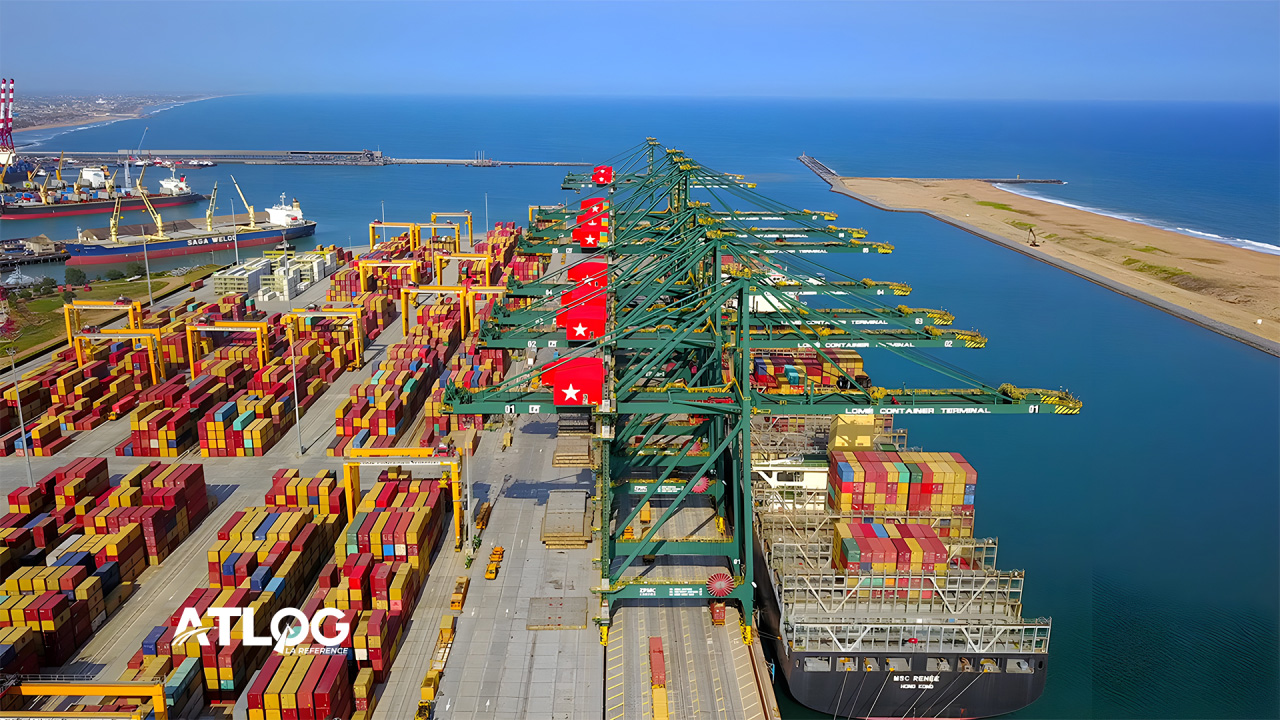
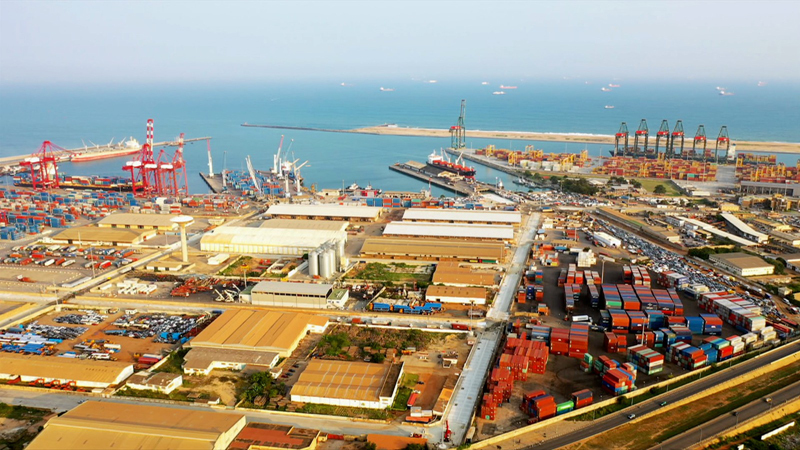
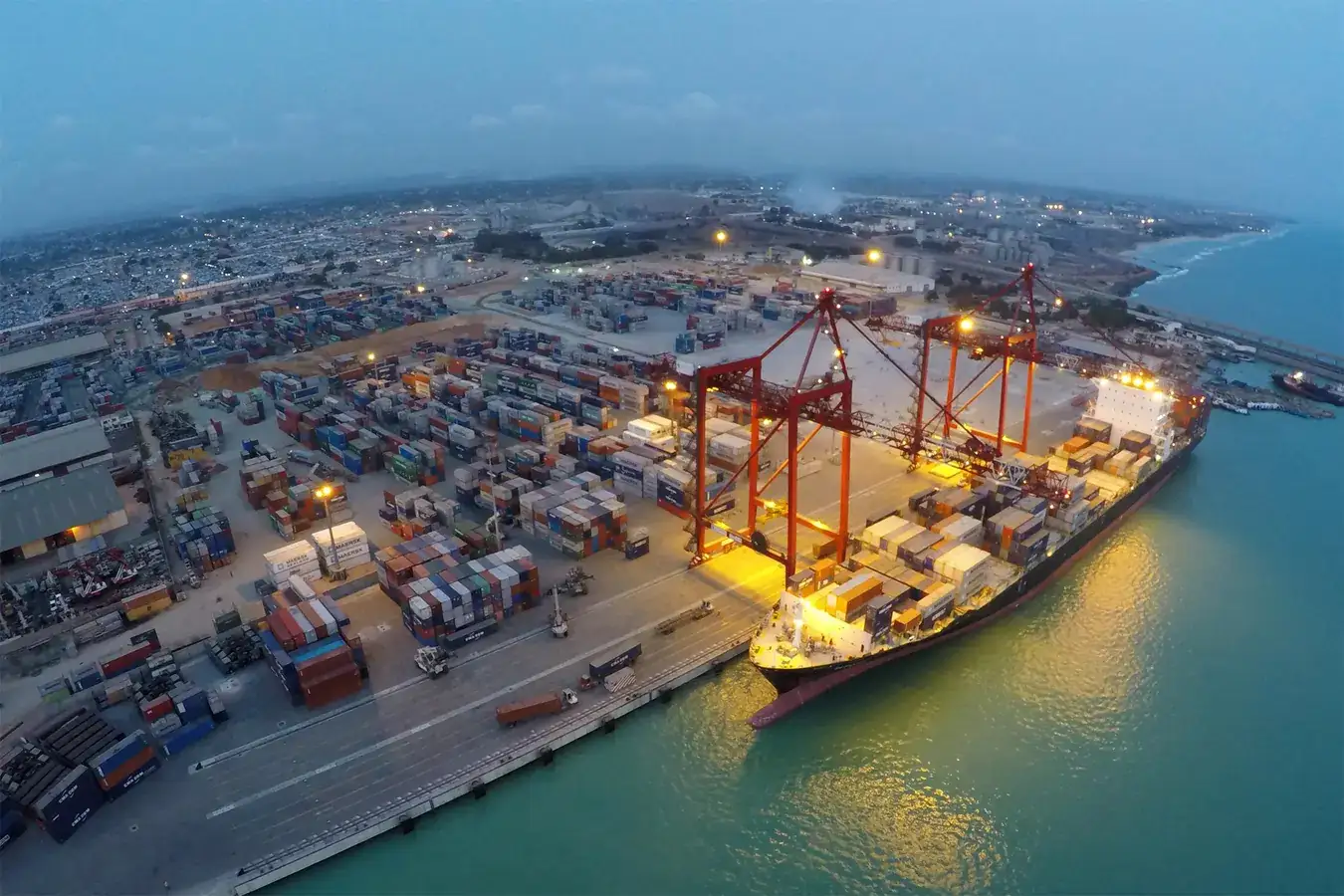
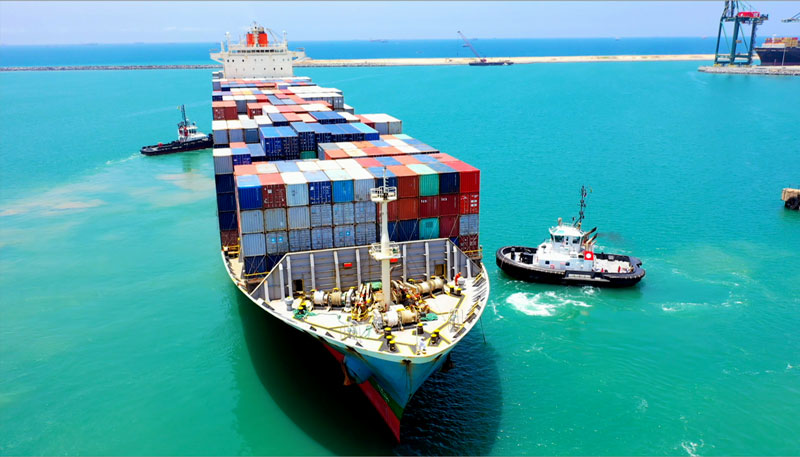
Lomé’s port serves as a key logistics hub in West Africa. Investment opportunities include warehousing, last-mile logistics, reefer facilities, port-support services, and road upgrades. Returns are typically based on user-fee or concession models.
Real Estate & Tourism
Togo’s growing domestic market and rising regional travel are driving demand for real estate and tourism projects. Opportunities include affordable housing, mixed-use developments, eco-lodges, and boutique hotels. While risks such as market segmentation and land titling exist, we provide support with due diligence.
Manufacturing & Light Industry
Togo offers low production costs and easy access to ECOWAS markets. Investment opportunities include food processing, garment and textile manufacturing, and value-added assembly. Support is available through favorable import duty structures and industrial mini-zones.
Digital Services & Fintech
Togo’s high mobile penetration and unmet financial inclusion needs create strong opportunities for digital innovation. Key projects include payment platforms, agri-tech solutions, and e-commerce logistics. Successful models can scale regionally through ECOWAS markets.
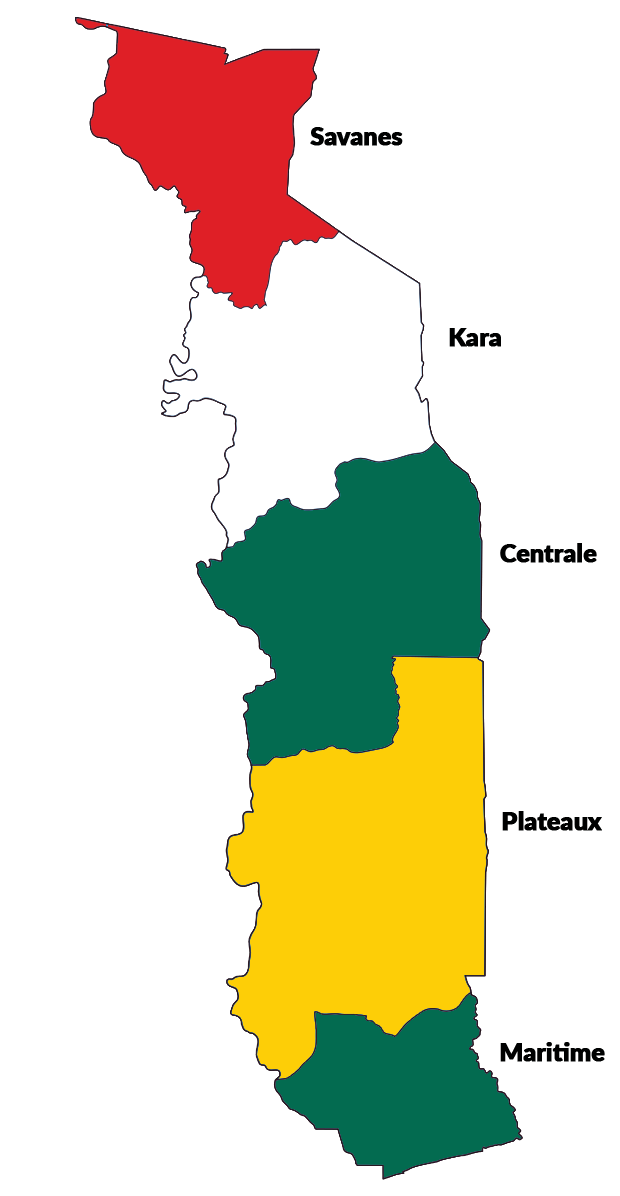
Regions are the first-level admin divisions of Togo, subdivided into prefectures and communes. Each has an elected regional government and a capital city as its seat. Regional governments handle some local affairs, but most powers are shared with the national government.
Port of Lomé, Togo
The Port of Lomé is a deep-water port located on the West African coast in Togo. Positioned along the Gulf of Guinea, it functions as a central transshipment hub for the region. The seaport offers vital access to landlocked countries, including Mali, Niger, Burkina Faso, and northern Nigeria. Spanning over 900 hectares, it serves as an international trading center featuring a sizable industrial free zone. Its advanced port infrastructure and favorable regulations attract numerous companies, reinforcing its role as a key economic gateway.